
Calls for Stories
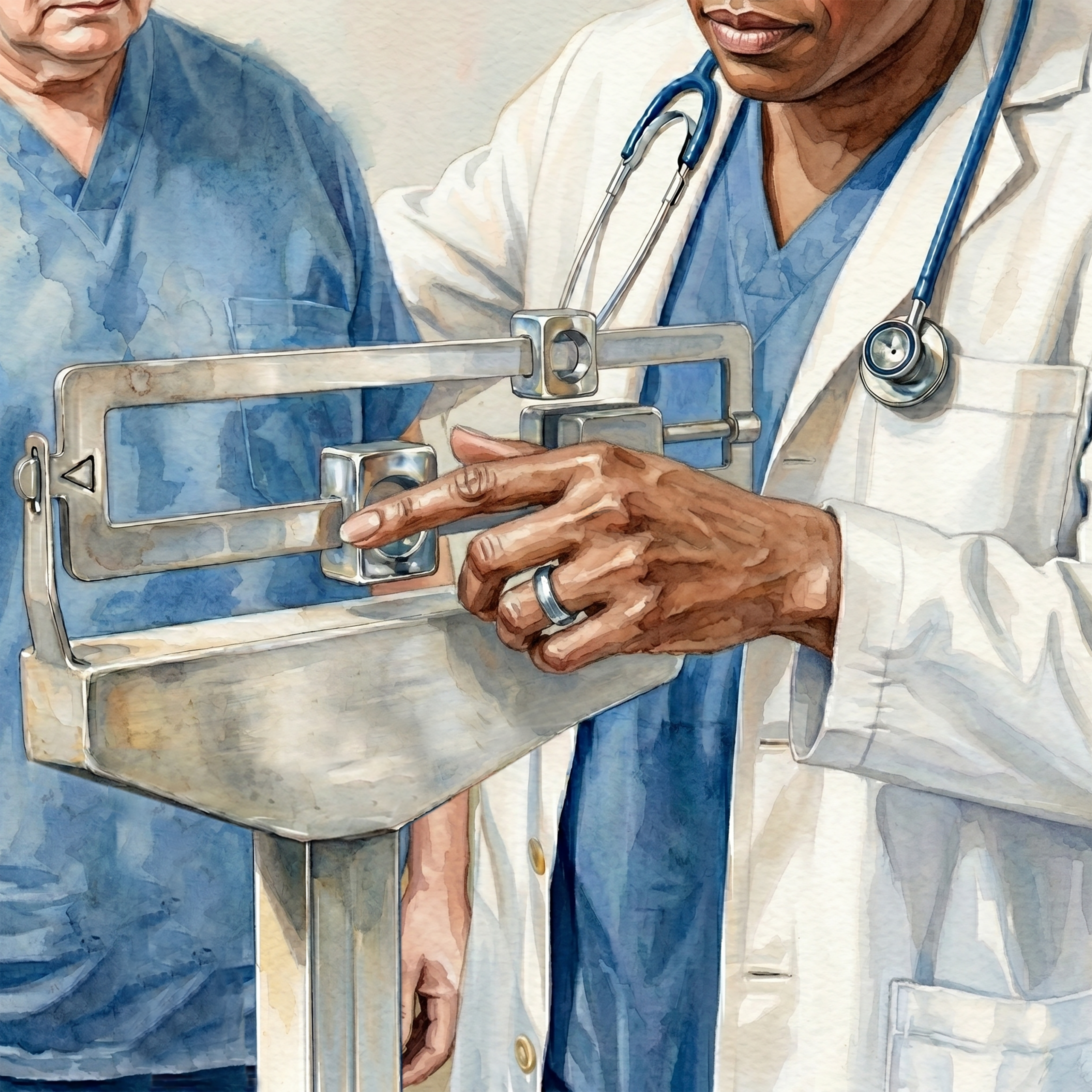
Personal Stories of Medically Supervised Weight Loss
Symposium Editor: Jody Dushay
We’re inviting people who have experienced medically supervised weight loss to share their stories for an upcoming issue of NIB!
NIB is read by healthcare workers, people who study ethics, patients, and family members. It is sometimes used in educational programs to help improve patient care.
We’re looking for personal stories that are real, interesting, and easy to read. We are not able to offer payment, but sharing your story can help others, including healthcare workers and people who make policy decisions, better understand this important experience. Many people also find that telling their story helps them feel less alone and gives meaning to their experience. As a thank-you, contributors will receive a free copy of the journal and a shareable link to their story. You can choose to publish anonymously if you prefer. Only the managing editor who you will work with to finalize your story will have your contact details.
Please share this invitation with anyone who might want to tell their story.
When you write your story, please consider these questions:
- What circumstances led you to start a medically supervised weight loss program? Were there specific medical conditions, events, or lifestyle concerns that influenced this decision?
- What challenges did you face in finding or accessing care? Did you encounter any barriers (such as costs, waitlists, stigma, or skepticism)? What was helpful in navigating the process?
- What aspects of the care you received felt especially helpful? Did you encounter anything that concerned you or felt dismissive or harmful?
- How did the cost of care, insurance coverage, program fees, or other financial constraints affect your choices, your ability to stay in the program, or the kinds of treatments offered?
- What emotional or psychological reactions did you experience (such as hope, shame, frustration, pride, or relief). How did the program either support or overlook these feelings?
- What advice would you give to patients, healthcare providers, or policymakers about improving medically supervised weight loss programs? What advice would you give to patients, doctors, or policymakers about making these programs better?
You do not need to answer each question. Just write about the issues that feel most important for you to share. If you do not consider yourself a writer, you can tell your story in your words, and our staff will help you make edits.
Please send your story to editor@narrativebioethics.com. Final stories should be between 800 – 2,000 words. You may send a Word document, type the story in the body of an email, or share a Google Doc. Please contact us if you have questions. If you would like to first make sure your story is a good fit, send a short description to the email above of the story you want to share and we will reply.
We will review all submitted stories to decide which ones to include for publication, with priority given to stories received by October 14, 2026.
For more information about the journal Narrative Inquiry in Bioethics, the guidelines for authors, and privacy policies visit our webpage at http://nibjournal.org/submit/guidelines/
We plan to publish 12 stories on this topic in our print edition; additional stories may be published as online-only supplemental material. We also publish 3 – 4 commentary articles that discuss the stories and lessons learned. To see a finished issue, please visit the Narrative Inquiry in Bioethics’ VOICES page. https://nibjournal.org/voices/
Narrative Inquiry in Bioethics is indexed in PubMed, MEDLINE, Scopus, Web of Science, and PhilPapers.
The journal is published by the Johns Hopkins University Press and is available in print and electronically to over 1,200 institutional subscribers via Project MUSE.